The 2026 Guide to Sustainable Living: 6 Easy Changes for a Greener Home
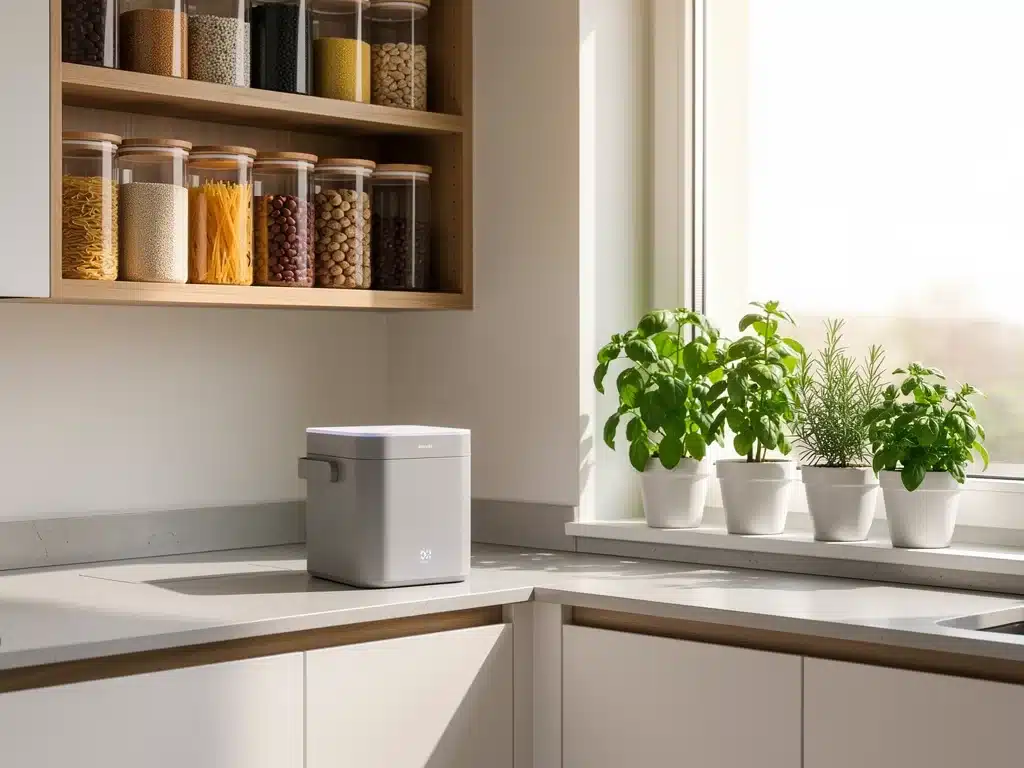
Embracing sustainable living in 2026 involves adopting practical, impactful changes within your home to significantly reduce your environmental footprint and promote a healthier planet for future generations.
Welcome to The 2026 Guide to Sustainable Living: 6 Easy Changes for a Greener Home, your essential roadmap to transforming your living space into an eco-conscious sanctuary. In an era where environmental responsibility is paramount, making sustainable choices at home is no longer a niche interest but a widespread necessity. This guide will walk you through practical, achievable steps to reduce your environmental footprint, conserve resources, and contribute to a healthier planet, all while enhancing your daily life.
Rethinking Energy Consumption: Smart Solutions for a Brighter Future
Our homes are significant consumers of energy, contributing substantially to carbon emissions. By rethinking how we use and source energy, we can make profound positive impacts. The year 2026 brings with it new opportunities and technologies to optimize our energy consumption.
Transitioning to renewable energy sources and adopting smart home devices are two of the most effective strategies. These changes not only benefit the environment but often lead to considerable savings on utility bills over time, making them a wise investment for any homeowner looking to embrace a greener lifestyle.
Embracing Renewable Energy Options
One of the most impactful steps you can take is exploring renewable energy. Solar panels are becoming increasingly accessible and efficient, offering a clean, sustainable power source for your home. Government incentives and improved technology make this a more viable option than ever before.
- Solar Panels: Investigate solar panel installation for your roof or property. Many companies offer financing options that make the upfront cost manageable, and the long-term savings are substantial.
- Community Solar Programs: If rooftop solar isn’t feasible, consider joining a community solar program. These allow you to benefit from solar energy generated off-site.
- Green Energy Providers: Switch to an electricity provider that sources its energy from renewable resources. This simple change can be implemented immediately.
Even without a full solar installation, you can significantly reduce your reliance on traditional energy sources. Every watt saved is a step towards a more sustainable future.
Integrating Smart Home Technology
Smart home devices offer an unparalleled level of control over your energy usage. From thermostats that learn your habits to smart plugs that monitor appliance consumption, these tools empower you to be more efficient without sacrificing comfort.
- Smart Thermostats: Devices like Nest or Ecobee learn your schedule and preferences, adjusting temperatures automatically to optimize energy use.
- Smart Lighting: LED smart bulbs consume less energy and can be programmed to turn off when rooms are vacant or to dim when natural light is abundant.
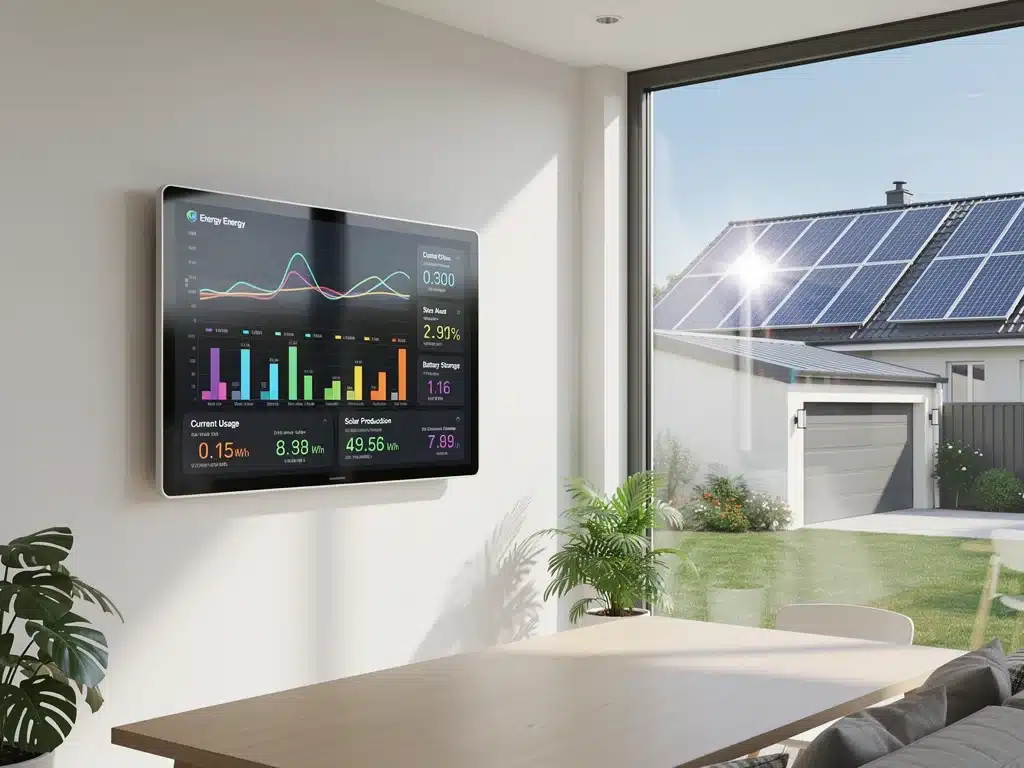
- Energy Monitoring Systems: Install a home energy monitor to track your electricity consumption in real-time. This awareness can help identify energy vampires and areas for improvement.
By leveraging these smart solutions, you can create a highly efficient home that minimizes waste and maximizes comfort. These technologies are designed to simplify sustainable practices, making them an integral part of modern living. The shift towards smarter energy management is not just about saving money; it’s about consciously reducing your environmental footprint and contributing to a more sustainable energy grid.
Water Conservation: Every Drop Counts for a Greener Home
Water is a finite and precious resource, and responsible management of its use within our homes is crucial for sustainable living. From daily routines to landscape choices, there are numerous ways to conserve water without compromising on hygiene or comfort. Implementing water-saving measures can significantly reduce your household’s ecological impact and often result in lower utility bills.
The focus on water conservation in 2026 emphasizes not just reducing usage but also optimizing how we collect and reuse water. This holistic approach ensures that every drop truly counts, contributing to a more resilient and sustainable environment for everyone.
Upgrading to Water-Efficient Appliances and Fixtures
Modern appliances and fixtures are designed with water efficiency in mind, offering significant savings compared to older models. Investing in these upgrades is a powerful step towards a more water-conscious home.
- Low-Flow Toilets: Replace old toilets with high-efficiency, low-flow models. These use significantly less water per flush, saving thousands of gallons annually.
- Water-Saving Showerheads: Install low-flow showerheads that maintain good water pressure while using less water. This can dramatically reduce water consumption during daily showers.
- Energy Star Appliances: When purchasing dishwashers or washing machines, look for Energy Star certified models. These appliances are engineered to use less water and energy.
These upgrades might require an initial investment, but the long-term savings on water bills and the environmental benefits make them a worthwhile endeavor. They integrate seamlessly into your home, providing efficiency without noticeable changes to your daily routine.
Smart Outdoor Water Management
Outdoor water use, particularly for landscaping, can account for a substantial portion of household consumption. Adopting smart irrigation practices and choosing drought-tolerant plants can lead to significant water savings.
- Rainwater Harvesting: Install rain barrels to collect rainwater for use in gardening or other non-potable applications. This reduces reliance on municipal water sources.
- Drought-Tolerant Landscaping (Xeriscaping): Opt for native plants and designs that require minimal irrigation. Xeriscaping can create beautiful, low-maintenance gardens that thrive with less water.
- Smart Irrigation Systems: Utilize smart sprinklers that adjust watering schedules based on local weather conditions, soil moisture, and plant needs, preventing overwatering.
Implementing these outdoor water management strategies can drastically cut down on your water footprint. By being mindful of how we water our gardens and choosing plants that are suited to our local climate, we can foster a beautiful outdoor space that is also environmentally responsible. Water conservation is a collective effort, and starting at home is the most effective way to contribute to this vital cause.
Waste Reduction and Recycling: Beyond the Bin
Minimizing waste and maximizing recycling efforts are fundamental pillars of sustainable living. In 2026, the focus extends beyond simply separating recyclables; it encompasses a broader commitment to reducing consumption, reusing items, and composting organic waste. By adopting these practices, we can significantly lessen the burden on landfills and conserve valuable natural resources.
A truly green home actively seeks to close the loop on waste, transforming potential trash into resources. This involves thoughtful purchasing decisions, creative reuse, and efficient disposal methods that prioritize environmental health.
Implementing a Robust Recycling Program
While recycling is a common practice, ensuring its effectiveness requires understanding local guidelines and optimizing your home system. Proper sorting and preparation of materials are key to successful recycling.
- Know Your Local Rules: Recycling programs vary by municipality. Familiarize yourself with what can and cannot be recycled in your area to avoid contamination.
- Designate Clear Bins: Set up clearly labeled bins for different types of recyclables (e.g., paper, plastic, glass, metal) to make sorting easy and consistent for all household members.
- Reduce Contamination: Rinse food containers and remove non-recyclable components from items to ensure they can be processed effectively.
Going beyond basic recycling also means exploring options for less common items. Many communities offer drop-off locations for electronics, batteries, and hazardous waste. Seeking out these specialized recycling opportunities ensures that harmful materials are disposed of safely and responsibly.
Embracing Composting and Upcycling
Composting and upcycling are powerful tools for diverting waste from landfills and giving new life to old items. These practices significantly reduce organic waste and foster creativity in repurposing materials.
- Start a Composting System: Compost food scraps and yard waste to create nutrient-rich soil for your garden. This dramatically reduces the amount of organic material sent to landfills.
- Upcycle Old Items: Before discarding something, consider if it can be repurposed or upcycled. Old furniture can be refinished, glass jars can become storage, and clothing can be transformed into cleaning rags or craft materials.
- Support Circular Economy Businesses: Purchase products from companies that use recycled materials or offer take-back programs for their old products, contributing to a circular economy.
By integrating composting and upcycling into your daily routine, you not only reduce your waste output but also foster a more resourceful and innovative mindset. These habits are crucial for creating a truly sustainable home that actively participates in the circular economy, minimizing waste and maximizing resource utilization.
Sustainable Food Choices: Nourishing Yourself and the Planet
The food we consume has a profound impact on our health and the environment. Making sustainable food choices involves considering where our food comes from, how it’s produced, and how we manage food waste. In 2026, this means prioritizing locally sourced, plant-based, and ethically produced options, while also focusing on minimizing food waste in our kitchens.
Adopting sustainable food practices is a delicious and rewarding way to contribute to a greener home. It encourages healthier eating habits, supports local economies, and significantly reduces the carbon footprint associated with our diets.
Prioritizing Local and Seasonal Produce
Choosing local and seasonal foods reduces transportation emissions, supports local farmers, and often means fresher, more nutritious ingredients. This practice connects you directly to your food source and the rhythms of nature.
- Visit Farmers’ Markets: Shop at local farmers’ markets for fresh, seasonal produce. This cuts down on food miles and supports community agriculture.
- Join a CSA (Community Supported Agriculture): Subscribe to a CSA program to receive a weekly or bi-weekly box of seasonal produce directly from a local farm.
- Grow Your Own: Even a small herb garden or a few potted vegetables can reduce your reliance on store-bought items and provide fresh, organic produce.
By making conscious choices about where your food originates, you can significantly reduce your ecological footprint. Local food systems are inherently more resilient and environmentally friendly, fostering a healthier planet one meal at a time.
Reducing Meat Consumption and Food Waste
Meat production, particularly from industrial farming, is a significant contributor to greenhouse gas emissions and resource depletion. Reducing meat consumption and actively minimizing food waste are two of the most impactful dietary changes you can make.
- Embrace Plant-Based Meals: Incorporate more plant-based meals into your diet. Even one or two meat-free days a week can make a difference.
- Plan Meals Carefully: Plan your meals and grocery lists to avoid over-purchasing, which often leads to food waste.
- Store Food Properly: Learn proper food storage techniques to extend the shelf life of fresh produce and leftovers.
- Utilize Leftovers Creatively: Transform leftovers into new dishes to prevent them from ending up in the trash.
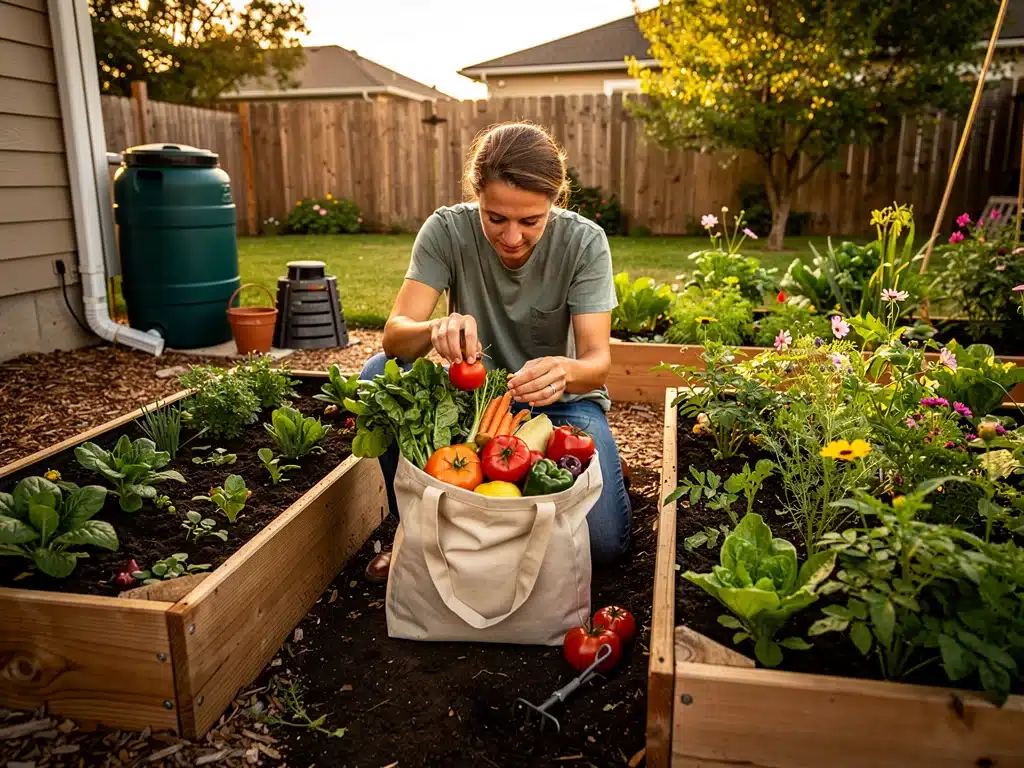
Minimizing food waste is not just about saving money; it’s about respecting the resources that went into producing that food. By making thoughtful decisions about what we eat and how we manage our food, we can create a healthier, more sustainable food system for ourselves and the planet. These dietary shifts are powerful tools for personal and environmental well-being.
Eco-Friendly Cleaning and Personal Care: Nurturing a Healthy Home Environment
The products we use for cleaning our homes and caring for ourselves often contain harsh chemicals that can be detrimental to both human health and the environment. Transitioning to eco-friendly alternatives is a vital step in creating a truly green and healthy home. In 2026, consumers have access to a wide array of sustainable options that are effective, safe, and biodegradable.
By carefully selecting cleaning and personal care products, we can eliminate harmful toxins from our indoor environments, protect waterways from pollution, and reduce our reliance on single-use plastics. This conscious shift benefits everyone, from our families to the broader ecosystem.
Choosing Non-Toxic Cleaning Products
Traditional cleaning agents often contain volatile organic compounds (VOCs), phosphates, and other chemicals that can irritate respiratory systems, contribute to indoor air pollution, and harm aquatic life. Opting for non-toxic, biodegradable alternatives is a healthier choice.
- Look for Certifications: Seek out products with eco-labels from reputable organizations, indicating they meet strict environmental standards.
- DIY Cleaning Solutions: Many effective cleaning solutions can be made with simple, natural ingredients like vinegar, baking soda, lemon juice, and essential oils.
- Refillable Options: Choose brands that offer refillable containers or concentrated formulas to reduce plastic waste.
Making the switch to eco-friendly cleaning products not only safeguards your family’s health but also contributes to cleaner air and water. These products are often just as effective as their conventional counterparts, proving that you don’t have to sacrifice cleanliness for sustainability.
Sustainable Personal Care and Hygiene
Our personal care routines also offer significant opportunities for sustainable improvements. From reducing plastic packaging to choosing ethically sourced ingredients, every decision counts.
- Solid Bars Over Liquid: Opt for solid shampoo, conditioner, and soap bars to eliminate plastic bottles.
- Reusable Alternatives: Replace disposable items like cotton pads, razors, and menstrual products with reusable versions.
- Bulk Purchases: Buy personal care items in bulk or from stores that offer refill stations to minimize packaging waste.
- Natural Ingredients: Choose products made with natural, ethically sourced, and biodegradable ingredients to avoid harmful chemicals.
By adopting sustainable personal care practices, you can reduce your daily environmental impact and support companies committed to ethical production. These small changes, when accumulated across all household members, create a significant positive shift towards a greener and healthier lifestyle. It’s about nurturing your body and the planet simultaneously.
Mindful Consumption and Ethical Sourcing: Buying Better, Living Lighter
The way we consume goods has a profound environmental and social impact. Mindful consumption and ethical sourcing are about making conscious purchasing decisions that reflect our values and support a more sustainable world. In 2026, this means looking beyond price and convenience to consider the entire lifecycle of a product, from its origins to its eventual disposal.
A truly green home is built on a foundation of thoughtful choices, where every purchase is an opportunity to support ethical labor practices, reduce environmental harm, and promote durability over disposability. This approach encourages us to live lighter, with less clutter and a greater appreciation for the items we own.
Prioritizing Durability and Quality
Fast fashion and disposable goods contribute significantly to waste and resource depletion. Investing in durable, high-quality items that are built to last reduces the need for frequent replacements, saving resources and money in the long run.
- Research Before You Buy: Before making a purchase, research brands known for durability and repairability. Read reviews and seek out products with strong warranties.
- Invest in Timeless Pieces: Choose classic designs and quality materials for furniture, clothing, and home goods that will withstand trends and last for years.
- Support Repair Services: When items break, prioritize repairing them rather than replacing them. Seek out local repair shops or learn basic repair skills yourself.
By shifting our mindset from quantity to quality, we can reduce our overall consumption and minimize the waste generated by constantly replacing cheaply made items. This approach not only benefits the environment but also leads to a more curated and satisfying living space.
Supporting Ethical and Sustainable Brands
Many brands are now committed to ethical labor practices, sustainable material sourcing, and transparent supply chains. By choosing to support these businesses, you can encourage responsible production and contribute to a more equitable global economy.
- Look for Certifications: Seek out certifications like Fair Trade, B Corp, or GOTS (Global Organic Textile Standard) which indicate a commitment to ethical and sustainable practices.
- Read Company Values: Research a company’s mission and values to ensure they align with your own. Transparency is key.
- Buy Secondhand: Consider purchasing items secondhand from thrift stores, consignment shops, or online marketplaces. This extends the life of products and reduces demand for new ones.
Mindful consumption is about making intentional choices that resonate with your desire for a greener home and a better world. Every dollar spent is a vote for the kind of world you want to live in. By supporting ethical and sustainable brands, and prioritizing durability, you become an active participant in creating a more responsible and resource-efficient economy.
Green Transportation and Commuting: Reducing Your Carbon Footprint Beyond the Home
While many sustainable living changes focus on the home, our transportation habits play a crucial role in our overall environmental impact. The choices we make about how we commute and travel significantly affect our carbon footprint. In 2026, there is an increasing emphasis on shifting away from fossil fuel-dependent transportation towards greener, more efficient alternatives.
Embracing green transportation is an extension of living sustainably, demonstrating a commitment to reducing emissions and improving air quality in our communities. It’s about exploring options that are not only eco-friendly but also often healthier and more economical.
Embracing Active and Public Transportation
Reducing reliance on single-occupancy vehicles is one of the most effective ways to lower your carbon emissions. Active transportation methods like walking and cycling offer health benefits, while public transport is a highly efficient way to move many people with less impact.
- Walk or Bike: For short distances, opt to walk or bike instead of driving. This reduces emissions, saves money on fuel, and provides exercise.
- Utilize Public Transit: Take advantage of buses, trains, or subways for your commute or errands. Public transportation significantly reduces per-person emissions compared to driving.
- Carpool or Ride-Share: If driving is necessary, carpool with colleagues or friends, or use ride-sharing services to consolidate trips and reduce the number of vehicles on the road.
These alternatives not only contribute to a greener planet but also often lead to a more active and less stressful daily routine. By integrating active and public transportation into your life, you are actively participating in creating cleaner air and less congested communities.
Transitioning to Electric Vehicles and Smart Charging
For longer commutes or situations where personal vehicles are essential, electric vehicles (EVs) offer a significantly greener alternative to traditional gasoline-powered cars. The technology for EVs is rapidly advancing, making them a more viable and attractive option for many households.
- Consider an Electric Vehicle: When purchasing a new car, explore electric or hybrid options. EVs produce zero tailpipe emissions, especially when charged with renewable energy.
- Smart Charging Practices: If you own an EV, utilize smart charging solutions that allow you to charge during off-peak hours or when renewable energy generation is high, optimizing grid efficiency.
- Maintain Your Vehicle: Regardless of vehicle type, proper maintenance ensures optimal fuel efficiency and reduces emissions. Regularly check tire pressure and perform scheduled servicing.
The shift towards electric vehicles, combined with smart charging infrastructure, is a cornerstone of sustainable transportation. By making informed choices about how we travel, we extend our commitment to a greener home out into the world, contributing to healthier urban environments and a reduction in global carbon emissions. This holistic approach to sustainability ensures that every aspect of our lives reflects our environmental values.
| Key Change | Brief Description |
|---|---|
| Energy Efficiency | Adopt renewable energy and smart home tech to reduce power consumption and emissions. |
| Water Conservation | Upgrade to efficient fixtures and manage outdoor water use thoughtfully. |
| Waste Reduction | Implement robust recycling, composting, and upcycling to minimize landfill waste. |
| Mindful Consumption | Choose durable, ethically sourced products and support sustainable brands. |
Frequently Asked Questions About Sustainable Living in 2026
Transitioning to renewable energy sources, such as installing solar panels or switching to a green energy provider, often yields the most significant reduction in your household’s carbon footprint. Coupled with smart energy management, this change can dramatically lower your environmental impact.
Initially, some sustainable products might have a higher upfront cost. However, they often offer long-term savings due to their durability, efficiency, or reduced need for replacement. Additionally, the market for eco-friendly goods is growing, making them increasingly competitive in price.
Effective food waste reduction involves meal planning, proper food storage, and creative use of leftovers. Composting food scraps is also crucial, diverting organic waste from landfills and turning it into valuable soil nutrients for gardening.
No, sustainable living is about making incremental changes. Start with small, manageable steps like switching to LED bulbs, using reusable bags, or reducing water usage. Each small change contributes to a larger positive impact over time, making sustainability accessible to everyone.
Technology, particularly smart home devices and energy monitoring systems, plays a significant role in optimizing resource consumption. It enables precise control over energy and water use, helping homeowners make data-driven decisions to enhance efficiency and reduce waste.
Conclusion
Embracing sustainable living in 2026 is an attainable and deeply rewarding endeavor. As this guide illustrates, transforming your home into a greener space doesn’t require drastic, immediate overhauls. Instead, it’s a journey of thoughtful, incremental changes across various aspects of daily life. From optimizing energy and water consumption to making conscious choices about food, waste, and purchases, every step contributes to a healthier planet and a more responsible lifestyle. The collective impact of individual actions is immense, and by implementing these six easy changes, you are not only enhancing your own well-being but also playing a vital role in building a more sustainable future for generations to come. Start today, and watch your home flourish as a beacon of eco-conscious living.