Home Emergency Preparedness: Assembling a 72-Hour Family Safety Kit on a $150 Budget
Advertisements
Home emergency preparedness begins with having essential supplies available before a disaster disrupts electricity, clean water, transportation, or communication. A 72-hour family safety kit can provide an important starting point, even when your available budget is limited to $150.
Creating an emergency kit does not require buying expensive survival equipment. Many useful supplies, including flashlights, blankets, containers, and basic hygiene products, may already be available in your home.
However, the cost of a complete kit depends on family size, medical requirements, local prices, and existing supplies. A $150 budget can establish a practical foundation, but larger households may need additional resources to meet recommended preparedness levels.
Understanding the Critical Need for a 72-Hour Kit
Natural disasters, severe storms, floods, earthquakes, and extended power outages can interrupt essential services with little warning. During these events, households may need to manage independently until assistance becomes available.
A well-organized emergency kit brings together supplies for drinking, eating, basic sanitation, communication, and personal protection. Having these items ready reduces the need to search for essentials during a stressful situation.
Effective home emergency preparedness also involves knowing local evacuation routes, identifying a safe meeting location, and discussing emergency responsibilities with household members. Supplies are important, but they are only one component of a broader safety plan.
Setting a Realistic Budget: The $150 Challenge
Building a family emergency kit for $150 requires prioritizing essential supplies and avoiding purchases that provide limited practical value during an actual emergency.
Begin by checking what you already own. Spare blankets, flashlights, backpacks, batteries, and unopened nonperishable foods can reduce the amount you need to spend.
When approaching home emergency preparedness on a budget, treat $150 as a starting allocation rather than a guaranteed total. Prices vary by location, and households with more people or specialized needs will require additional supplies.
Prioritizing Core Survival Needs
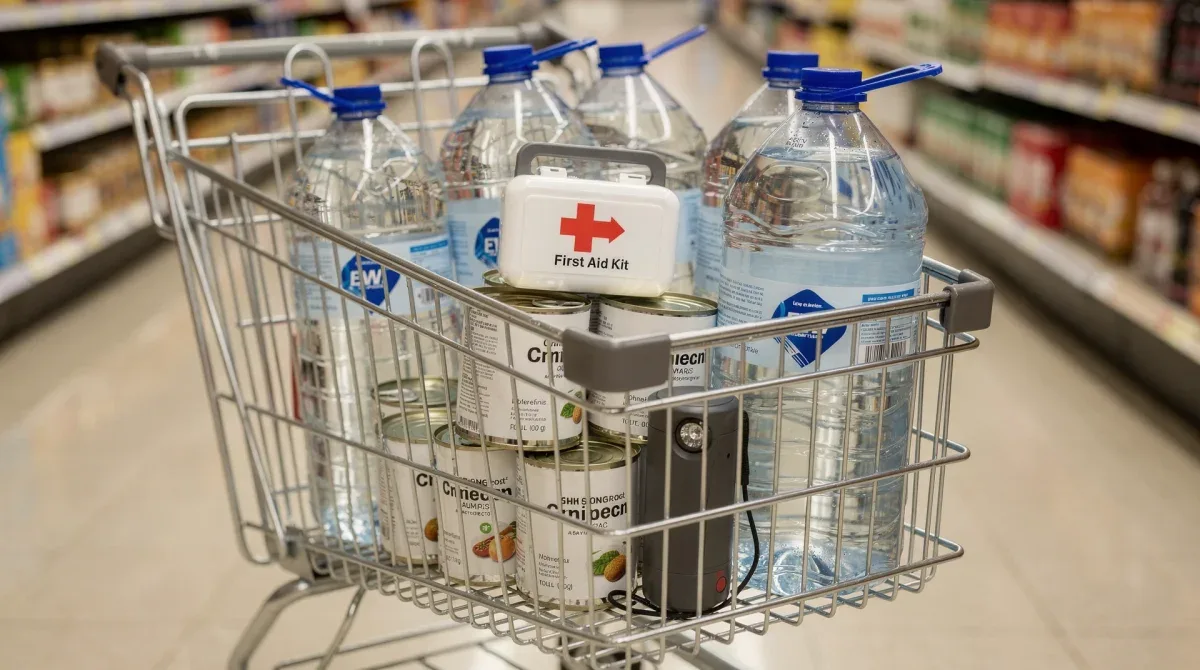
The first priority is safe drinking water, followed by appropriate food, essential medications, basic first aid, sanitation supplies, and reliable communication equipment.
Calculate how many people will depend on the kit, including infants, older adults, individuals with disabilities, and anyone requiring specialized medical equipment.
For practical home emergency preparedness, purchases should reflect the household's actual needs rather than a generic shopping checklist that assumes every family has the same requirements.
Water: Store at least one gallon per person per day.
Food: Choose ready-to-eat products that do not require refrigeration.
First Aid: Include basic supplies and household-specific medical items.
Shelter and Warmth: Prepare suitable clothing and blankets for local weather conditions.
An illustrative $150 budget might allocate $35 to water, $40 to food, $20 to first aid, $25 to lighting and communication, $15 to hygiene, and $15 to additional essentials. These amounts are planning examples, not verified retail prices.
Essential Water and Food Supplies on a Budget
Water should receive special attention because municipal supplies may become unavailable or unsafe during emergencies. The minimum recommended quantity is one gallon per person per day for at least three days.
For a four-person household, this means storing at least 12 gallons. Additional water may be necessary in hot climates or when household members have specific health needs.
Food supplies should cover normal nutritional requirements as closely as practical. Choose products that can be eaten without electricity, cooking equipment, or refrigeration whenever possible.
Cost-Effective Food Choices
Affordable emergency foods often include canned beans, canned fruit, crackers, peanut butter, shelf-stable packaged meals, and other familiar products with suitable storage lives.
When selecting canned foods, remember that some containers require a manual can opener. Pull-tab packaging can also be helpful when access to tools is limited.
For households improving home emergency preparedness, choosing foods already included in regular shopping routines can make storage rotation easier and reduce unnecessary waste.
Canned Foods: Select familiar vegetables, beans, fruit, and other ready-to-eat options.
Nut Butters: Consider shelf-stable products when allergies are not a concern.
Energy Bars: Choose individually packaged options suitable for emergency storage.
Dry Staples: Include rice or pasta only when safe cooking and water supplies are available.
Check packaging integrity and expiration information regularly. Store food in a cool, dry location away from potential contamination or floodwater.
Food allergies, infant feeding requirements, and specialized diets should also influence purchasing decisions, even when they increase the total budget.
First-Aid and Sanitation: Health and Hygiene Priorities
Basic first-aid supplies can help household members manage minor injuries while waiting for professional assistance, although they cannot replace emergency medical care.
Adhesive bandages, sterile gauze, medical tape, gloves, and antiseptic products are common components of a small emergency medical kit.
Personal medications and necessary medical devices deserve separate attention. In comprehensive home emergency preparedness, families should discuss appropriate medication reserves and storage requirements with their healthcare professionals or pharmacists.
Building Your Basic First-Aid Kit
Purchasing individual first-aid components may cost less than buying an elaborate commercial kit, particularly when some suitable supplies are already available at home.
However, choose products appropriate for their intended purpose and keep medicines in properly labeled containers. Check directions, expiration dates, and relevant storage requirements.
A small first-aid reference guide can also be useful, especially when household members are familiar with basic emergency procedures but may need reminders during stressful situations.
Wound Care: Adhesive bandages, sterile gauze, and medical tape.
Hygiene: Disposable gloves and appropriate cleansing supplies.
Medication: Necessary prescriptions and suitable over-the-counter products.
Basic Tools: Tweezers, scissors, and a thermometer when available.
Sanitation supplies should include hand sanitizer, wet wipes, garbage bags, toilet paper, and other personal hygiene items needed by household members.
Keep medical supplies protected from moisture and review them periodically so that the kit remains usable when an emergency occurs.
Lighting, Communication, and Power: Staying Connected
Extended power outages can make it difficult to navigate a home safely, receive emergency information, or contact relatives and local services.
Flashlights with working batteries are a practical first purchase. Battery-powered or hand-crank radios can provide access to important information when internet or mobile networks are unavailable.
In home emergency preparedness, reliable communication is especially important because evacuation orders and weather warnings may change rapidly as a situation develops.
Affordable Power and Communication Tools
Choose lighting equipment that is easy to operate and store replacement batteries separately when recommended by the manufacturer.
A charged portable power bank can help maintain cellphone access for a limited period, although its capacity will determine how many charges are available.
For stronger home emergency preparedness, include written emergency contacts and a paper map so that essential information remains available even when electronic devices cannot be used.
Emergency Radio: Select a battery-powered or hand-crank model.
Power Bank: Keep it charged and store compatible charging cables.
Whistle: Use a simple signaling device when appropriate.
Paper Contacts: Record important telephone numbers and meeting locations.
Battery-operated lighting is generally safer than candles during power outages because open flames can create additional fire hazards.
Families should also identify alternative ways to receive local alerts and ensure children know how to contact trusted adults when separated.
Shelter, Warmth, and Tools: Basic Survival Essentials
Weather protection is another important component of a 72-hour safety kit. Cold temperatures, wet clothing, and damaged structures can increase risks during an emergency.
Blankets, rain protection, sturdy shoes, and appropriate spare clothing may be more valuable than specialized survival accessories, depending on local conditions.
When planning home emergency preparedness, consider the disasters most likely in your region. A household exposed to winter storms may need different supplies from one preparing for hurricanes or extreme heat.
Key Shelter and Tool Items
A lightweight emergency blanket can provide additional protection in some situations, but it should not automatically replace suitable clothing or adequate insulation in cold weather.
Basic tools such as work gloves, pliers, and duct tape may help with certain minor tasks. However, damaged electrical systems and unstable structures should be left to qualified professionals.
Effective home emergency preparedness also requires knowing when to evacuate. Supplies should never encourage household members to remain inside a building declared unsafe by emergency authorities.
Warmth: Blankets, suitable clothing, and extra socks.
Protective Equipment: Work gloves and sturdy footwear.
Basic Tools: Simple items appropriate for safe household tasks.
Weather Protection: Rain ponchos or other supplies suited to local risks.
Keep important supplies accessible and avoid storing every essential item in a location that might become unreachable during flooding or structural damage.
If evacuation is necessary, use a portable bag containing immediate essentials while keeping larger emergency supplies safely stored at home.
Important Documents and Cash: Administrative Readiness
Important documents can be difficult to replace after a fire, flood, or evacuation. Preparing copies in advance can simplify identification and access to essential services.
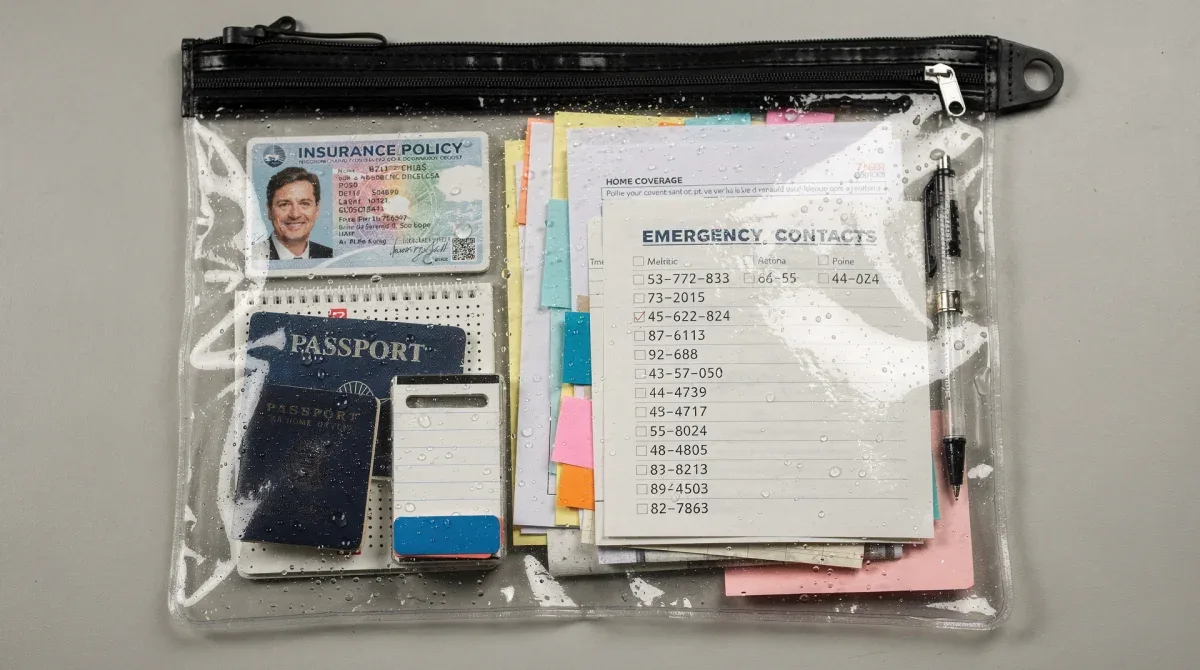
Consider keeping copies of identification, insurance information, emergency contacts, and relevant medical details in a waterproof container or sealed bag.
For comprehensive home emergency preparedness, store sensitive information carefully and avoid leaving unnecessary personal documents in easily accessible locations.
Essential Documents and Financial Preparations
Printed emergency contacts are useful when phones are damaged or batteries run out. Include the names and numbers of relatives, healthcare providers, schools, and relevant local services.
A modest amount of emergency cash may help when stores are open but payment processing systems are unavailable. The amount should reflect household circumstances and affordability.
When organizing home emergency preparedness, consider maintaining secure digital backups of important records while protecting access through appropriate passwords and encryption.
Identification: Copies of important personal documents.
Insurance: Relevant policy information and contact details.
Emergency Contacts: Printed family, medical, and school telephone numbers.
Cash: Small denominations for essential transactions when possible.
Update contact information after changes in employment, school enrollment, household membership, or medical arrangements.
Keep original documents in a secure location and ensure trusted household members know where emergency copies are stored.
Maintaining and Customizing Your Kit: Ongoing Preparedness
Preparing a safety kit is not a one-time activity. Food, water, batteries, medications, and other supplies may require inspection or replacement over time.
Household needs also change. Children grow, medications are updated, pets may join the family, and new medical or accessibility requirements can affect emergency planning.
Maintaining home emergency preparedness means reviewing supplies regularly and ensuring that family members understand both where the kit is stored and how its contents should be used.
Tips for Kit Maintenance
Inspecting your emergency kit every six months provides an opportunity to identify damaged packaging, expired products, depleted batteries, and missing supplies.
If you store tap water in appropriate containers rather than relying on unopened commercial bottles, follow the safe emergency water storage recommendations, including replacing self-filled water supplies every six months.
For families improving home emergency preparedness, practicing an emergency plan can be as important as purchasing equipment. Everyone should know the appropriate meeting location, communication arrangements, and basic evacuation procedures.
Inspect Supplies: Check the kit at least twice a year.
Rotate Products: Replace food, medication, and water according to applicable guidance.
Update Personal Items: Adjust clothing, supplies, and equipment as needs change.
Test Equipment: Confirm flashlights, radios, and charging devices work properly.
Involving children in age-appropriate preparation activities can help them become familiar with emergency procedures without overwhelming them with responsibility.
Alongside a household safety kit, following a regular home maintenance checklist can help identify potential safety concerns before they become larger problems.
Key Aspect | Budget-Friendly Strategy |
|---|---|
Water Supply | Store at least one gallon per person per day and use appropriate containers or unopened bottled water. |
Food Items | Choose affordable, familiar, nonperishable foods that can be eaten without cooking. |
First-Aid Kit | Use reliable basic components and account for necessary medications and personal medical supplies. |
Power & Comm. | Prepare flashlights, batteries, an emergency radio, and a charged power bank when affordable. |
Frequently Asked Questions About 72-Hour Emergency Kits
What is the most crucial item to include in a 72-hour emergency kit on a budget?▼
Safe drinking water is among the highest priorities. The CDC recommends storing at least one gallon per person per day for three days, with additional supplies when household conditions require them. Food, medications, communication tools, and other essential items are also necessary for a balanced emergency preparedness plan.
Can I really build a comprehensive kit for $150 for a family?▼
A $150 budget can support a basic home emergency preparedness kit when some supplies are already available. However, it cannot guarantee a complete three-day kit for families of every size. Water quantities, food requirements, medical needs, and local retail prices can increase the cost. Start with essential supplies and expand the kit according to household needs and financial capacity.
How often should I check and update my 72-hour emergency kit?▼
Reviewing an emergency kit every six months is a practical starting point. Check batteries, food packaging, water storage, medications, and family-specific supplies. Some items may need replacement sooner according to their expiration dates or manufacturer instructions. Updating the kit regularly helps maintain its usefulness.
Are specific brands necessary for emergency supplies, or are generic options sufficient?▼
Generic products can be suitable when they meet the relevant safety and quality requirements. For example, familiar store-brand canned foods or appropriately packaged bottled water may provide good value. For safety equipment and medical supplies, prioritize reliability, proper labeling, and intended use rather than choosing products based solely on price.
What role do children play in assembling and maintaining the family safety kit?▼
Children can participate through simple, age-appropriate activities such as organizing supplies, learning emergency contact information, and understanding where the household kit is stored. Adults should remain responsible for emergency decisions and equipment safety. Calm, practical preparation can help children understand what to do without creating unnecessary anxiety.
Looking ahead
Home emergency preparedness becomes more manageable when households focus on practical essentials rather than expensive equipment or unrealistic promises about complete readiness.
A $150 budget can help establish a useful 72-hour safety kit, but the final cost depends on family size, medical needs, available household supplies, and local prices. Water and essential medications should not be reduced merely to meet a fixed spending target.
The strongest preparation combines dependable supplies with emergency communication plans, household maintenance, and regular practice. By reviewing these elements over time, families can improve their ability to respond safely when unexpected disruptions occur.